How to track muscle gain
Muscle grows slowly, a few hundred grams a month for most people. You need a system to see it at all.
Short answer
Track muscle gain with progress photos every one to two weeks (compared every 8–12 weeks), arm, chest and shoulder measurements monthly, a slowly rising bodyweight, and strength in a few key lifts. Watch your waist so fat gain doesn’t sneak in.
Four signals
- Photos: relaxed front, side, back plus one flexed pose, same light.
- Measurements: arms, chest, shoulders, thighs, and waist as a fat check.
- Bodyweight: weekly average rising slowly.
- Strength: reps at a given weight in 3–4 main lifts.
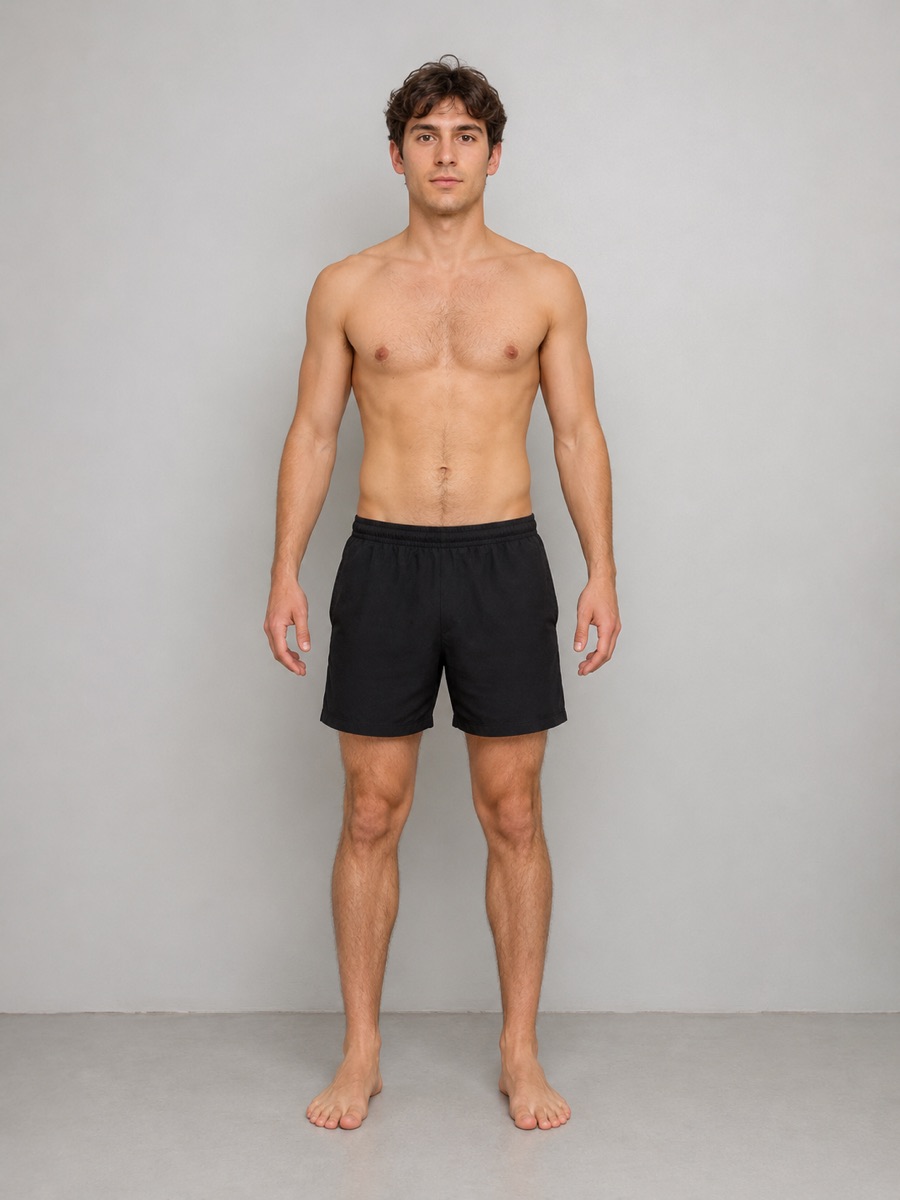

Muscle gain over 16 weeks. Illustrative example photos.
How fast is realistic?
| Training age | Typical muscle gain | Bodyweight change on a lean bulk |
|---|---|---|
| First year | Roughly 0.5–1 kg (1–2 lb) per month | About 1–1.5% of bodyweight per month |
| Years 2–3 | Roughly half that | About 0.5–1% per month |
| Advanced | Small | About 0.25–0.5% per month |
If your waist is growing faster than your arms
You’re probably gaining more fat than you need. Slow the rate of weight gain. Photos make this obvious: side photos show it first.
FAQ
Frequently asked questions
How do I know if I’m gaining muscle or fat?
If arms, chest and shoulders grow while your waist stays roughly the same, it’s mostly muscle. If your waist grows as fast, it’s more fat.
How long until I see muscle in progress photos?
Usually 8–12 weeks of consistent training for a visible difference in matched photos.