Progress photos vs the scale: which should you trust?
Neither, on its own. Together they’re much harder to argue with.
Short answer
The scale is precise but noisy: it moves 1–2 kg (2–4 lb) a day with water and food, and it can’t tell fat from muscle. Photos show shape but change too slowly to judge weekly. Use a weekly average weight, a waist measurement and photos compared monthly.
What the scale is good at
It’s objective and quick. Averaged over a week, bodyweight is a good trend line for fat loss or gain. Daily numbers mostly reflect water, salt, carbs, digestion and hormones. See why your weight fluctuates.
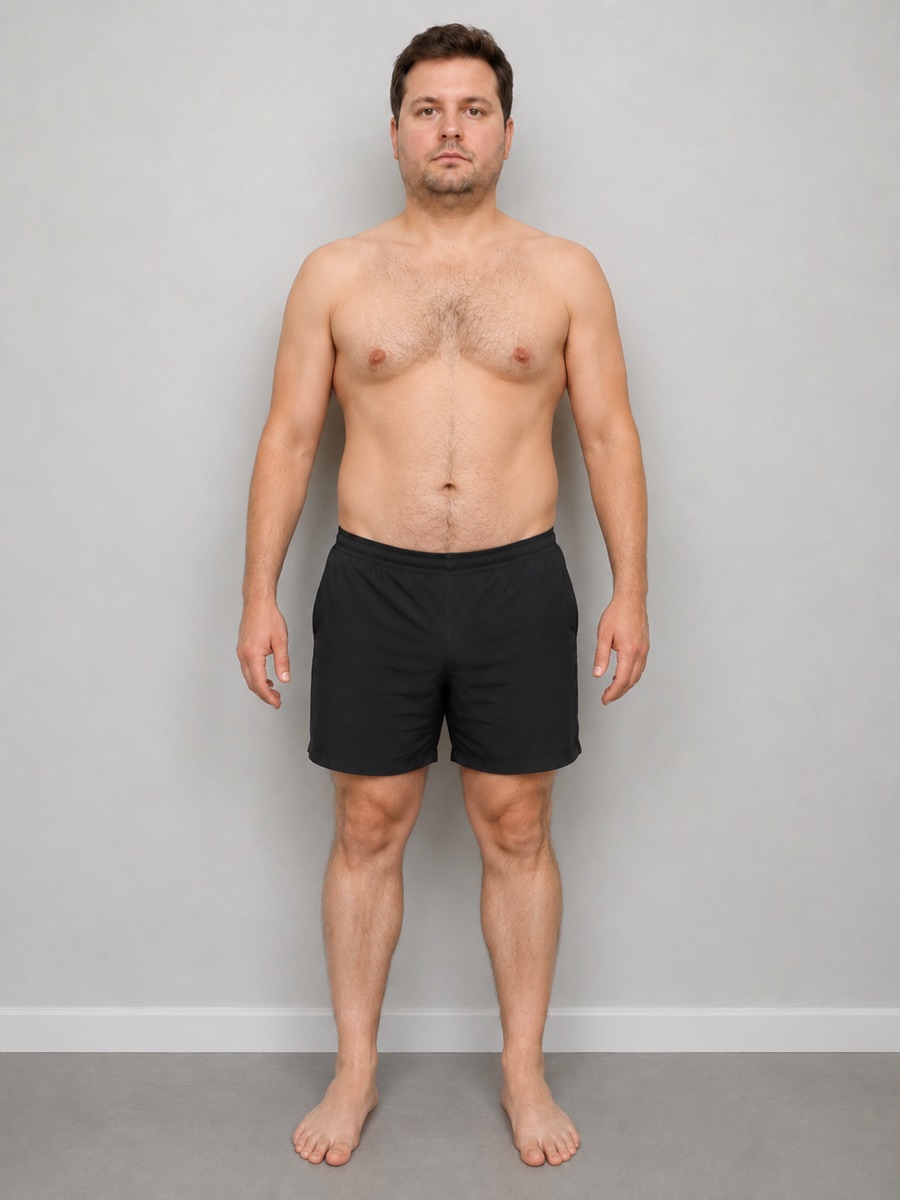
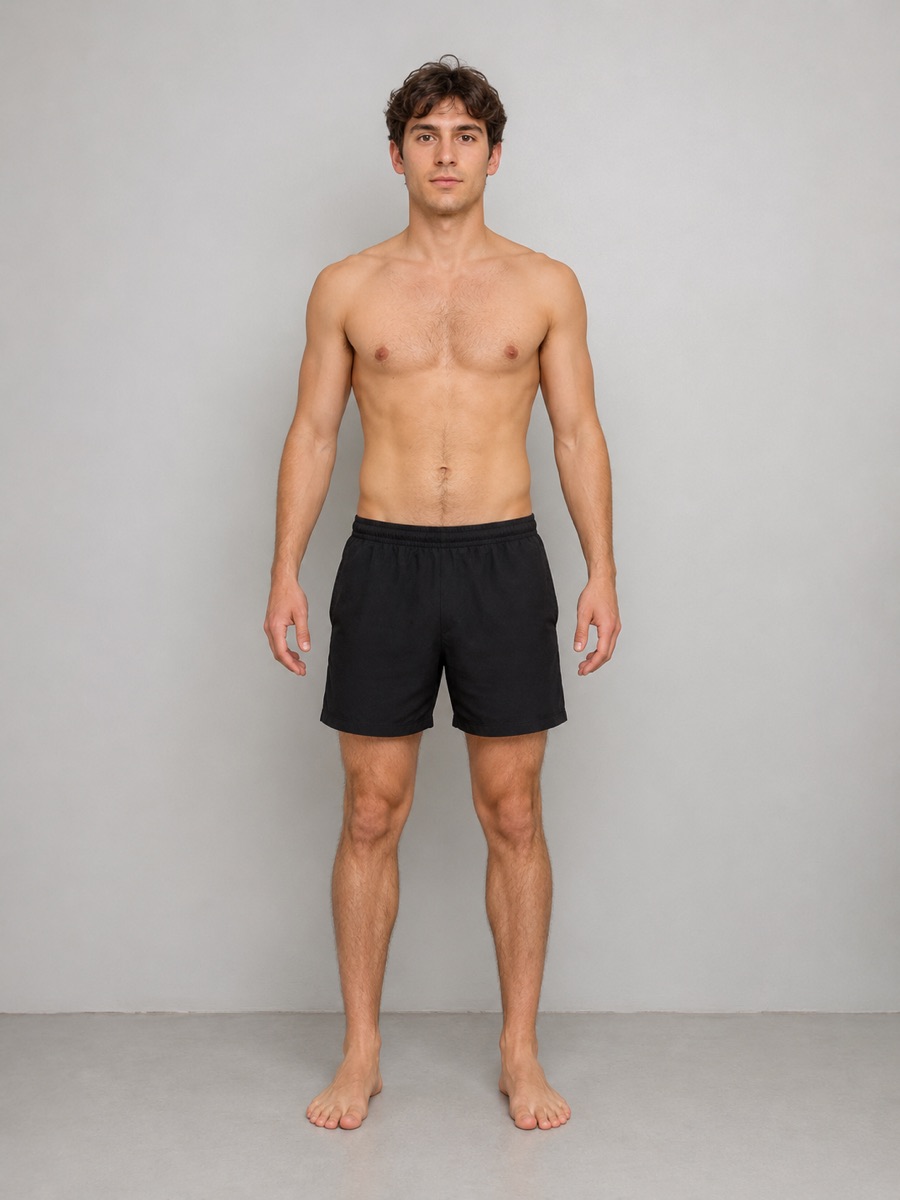
What the scale can’t show. Illustrative example photos.
What photos are good at
They show where change happens: waist versus hips, belly versus back, more shoulder, better posture. They catch recomposition, where the scale stays flat while you lose fat and gain muscle.
Reading them together
| Scale trend | Waist | Photos | Likely |
|---|---|---|---|
| Down | Down | Leaner | Fat loss |
| Flat | Down | Leaner, more defined | Recomposition |
| Up | Flat or up slightly | Fuller arms and shoulders | Muscle gain (bulk) |
| Up suddenly | Flat | Same | Water: salt, carbs, cycle, new training |
| Down | Flat | Flatter muscles | Water or glycogen loss |
FAQ
Frequently asked questions
Are progress photos more accurate than the scale?
They answer a different question. The scale measures total mass; photos show shape. Waist measurements bridge the two.
Should I stop weighing myself?
Not necessarily. If daily numbers stress you, weigh weekly on your photo day instead.